

laminated glass for soundproofing
Precision Cast Iron Surface Plates The Cornerstone of Metrology Precision and accuracy are vital in the world of manufacturing and engineering, where even the smallest deviation can lead to significant errors in the finished product. One of the fundamental tools used in ensuring precision is the surface plate, particularly those made of cast iron. Precision cast iron surface plates are essential instruments that provide a stable, flat reference surface for various inspection, measurement, and layout tasks. What are Surface Plates? Surface plates serve as a flat reference plane that supports workpieces during measurements and inspections. They are used in a variety of applications, from machining and assembly to quality control. The accuracy of these plates is crucial; any irregularities on their surfaces can translate into errors in measurements taken from them. Therefore, the best surface plates are engineered to be as flat as possible. The Benefits of Cast Iron Cast iron is an ideal material for creating precision surface plates due to its unique combination of properties. It is not only durable and resistant to wear but also possesses excellent damping characteristics, which helps to absorb vibration and prevent disturbances that could affect measurement accuracy. Additionally, cast iron has a natural ability to maintain its shape over time, which is essential for preserving flatness. Manufacturing Process The manufacturing process of precision cast iron surface plates involves several critical steps. First, high-grade cast iron is selected to ensure the best quality. The casting process allows for the creation of large plates with uniform composition and minimal internal stress. After casting, the plates undergo a precise machining process where they are ground to achieve the required flatness and surface finish. To ensure maximum accuracy, the plates are typically ground in such a way as to obtain a surface finish that meets specific industry standards. The end result is a surface that offers a high degree of flatness, which is crucial for accurate measurements. precision cast iron surface plate Calibration and Maintenance To maintain precision, surface plates need regular calibration and maintenance. Typically, a surface plate should be checked for flatness at least once a year. This involves using specialized measuring equipment, such as electronic levels or dial gauges, to identify any wear or deformation that may have occurred over time. Proper care is essential to prolong the lifespan of a cast iron surface plate. Cleaning the surface after each use and applying a protective coating can help prevent rust and other damage. Additionally, avoiding the placement of heavy objects on the plate when not in use will lessen the risk of deformation. Applications Across Industries Precision cast iron surface plates find applications in numerous industries, including aerospace, automotive, and manufacturing. They are commonly used in quality control labs where they serve as a reference for calibrating measuring instruments. In manufacturing environments, they provide stability for workpieces while they are being machined or assembled. Moreover, in metrology and research settings, precision cast iron surface plates are crucial for experimental setups that require high accuracy. They serve as platforms for tool markers, gauges, and other instruments that need a reliable reference point. Conclusion In the realm of precision engineering, a cast iron surface plate is more than just a flat piece of material; it is a vital tool that ensures measurements are accurate and reliable. The unique properties of cast iron, combined with a meticulous manufacturing process, make these plates indispensable in various industrial applications. Regular maintenance and calibration are essential to preserving their precision. As industries continue to evolve and demand higher accuracy, the role of precision cast iron surface plates will undoubtedly remain a cornerstone in the field of metrology.
about
laminated glass for soundproofing
The Role of Pressure Water Valves in Modern Fluid Systems In the intricate world of fluid dynamics, pressure water valves serve a crucial function in the management and control of liquid flow. These devices are essential in a variety of applications, from domestic water systems to large-scale industrial processes. Understanding the mechanics, application, and advantages of pressure water valves can provide valuable insights into their importance in promoting efficiency, safety, and optimal performance in fluid systems. What is a Pressure Water Valve? A pressure water valve is a device designed to regulate the pressure of water in a system, ensuring that it remains within specified limits. These valves are critical in preventing pipe bursts, leaks, and other failures that can occur due to excessive pressure. They come in various types, including pressure relief valves, pressure reducing valves, and suction pressure valves, each serving a specific function. - Pressure Relief Valves These valves act as a safety mechanism, automatically releasing pressure when it exceeds a predetermined level. This is crucial in protecting equipment and maintaining system integrity, especially in high-pressure industrial applications. - Pressure Reducing Valves These valves lower the incoming pressure from a source to a usable level for downstream operations. They are commonly used in residential plumbing systems, where municipal water pressure may be too high for safe usage in homes. - Suction Pressure Valves These valves help control the pressure within a vacuum system or a suction line, essential in applications where fluids need to be drawn from storage tanks or reservoirs. Importance of Pressure Control Effective pressure control is paramount for maintaining the efficiency and reliability of fluid systems. Too much pressure can lead to catastrophic failures, such as ruptured pipes, damaged equipment, and even safety hazards. Conversely, too little pressure can result in inadequate flow rates and reduced overall performance. Pressure water valves contribute to achieving optimal flow rates and pressures, allowing for smoother operations across various applications, including irrigation systems, fire protection systems, and heating infrastructure. Furthermore, these valves help conserve energy by enabling systems to operate at their most efficient pressures, reducing unnecessary energy consumption. Applications of Pressure Water Valves The versatility of pressure water valves allows them to be utilized across a wide range of sectors pressure water valve 1. Residential Plumbing In homes, pressure reducing valves ensure that the water entering the plumbing system is at a safe and manageable level . This not only protects pipes and fixtures but also improves water usage efficiency. 2. Agriculture These valves are integral in irrigation systems, helping to regulate water pressure and ensuring that crops receive the appropriate amount of water without risk of flooding or drought. 3. Industrial Settings In manufacturing and processing plants, pressure relief valves play a critical role in maintaining safe operational pressures in boilers, storage tanks, and pipelines, minimizing the risk of accidents. 4. Fire Protection Systems Pressure water valves ensure that fire suppression systems function correctly by maintaining the necessary pressure in water storage systems and distribution lines, readily delivering water when needed. Advantages of Using Pressure Water Valves Incorporating pressure water valves offers several benefits - Enhanced Safety By mitigating the risk of overpressure situations, these valves help protect both personnel and equipment. - Increased Efficiency Proper pressure management leads to optimized fluid flow, reduced energy consumption, and prolonged equipment lifespan. - Cost Savings By preventing leaks and equipment failures, pressure water valves help organizations save on costly repairs and maintenance. - Sustainability Efficient water management contributes to more sustainable practices by ensuring that water resources are used judiciously. Conclusion As fluid systems continue to evolve and expand across various industries, the role of pressure water valves becomes increasingly vital. Their capacity to manage pressure effectively not only enhances safety and operational efficiency but also fosters sustainable practices in water usage. Understanding and implementing the right types of pressure water valves can lead to significant improvements in both residential and industrial environments, making them indispensable tools in fluid management.
-

High quality industrial productsagement

High quality industrial products
View Details -

Meet the diverse needs of customers

Meet the diverse needs of customers
View Details -

Strict quality control

Strict quality control
View Details -

Top raw materials

Top raw materials
View Details -

Trusted supplier

Trusted supplier
View Details
Our application


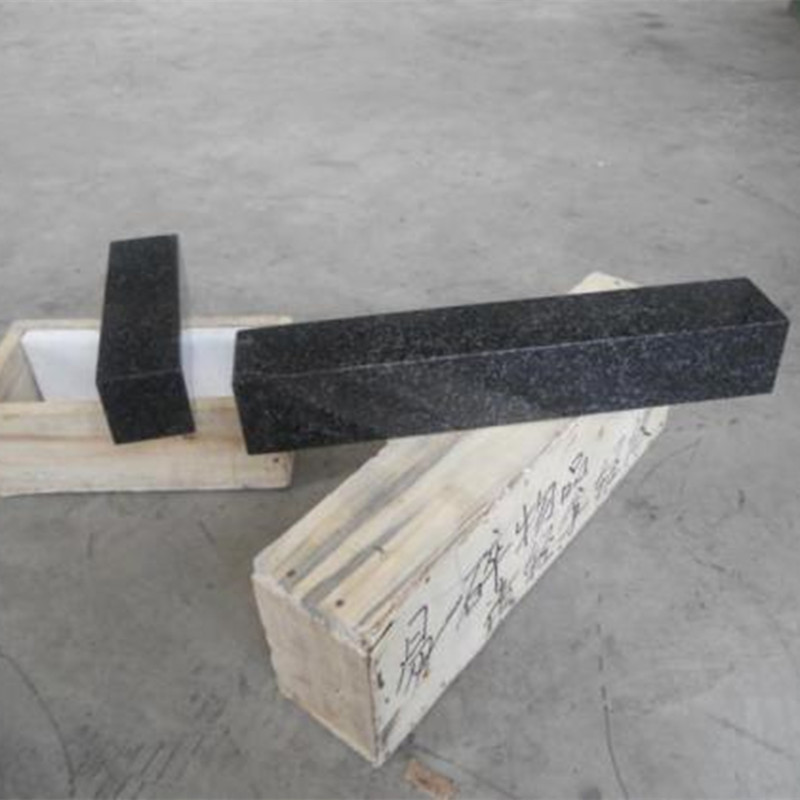
news and information
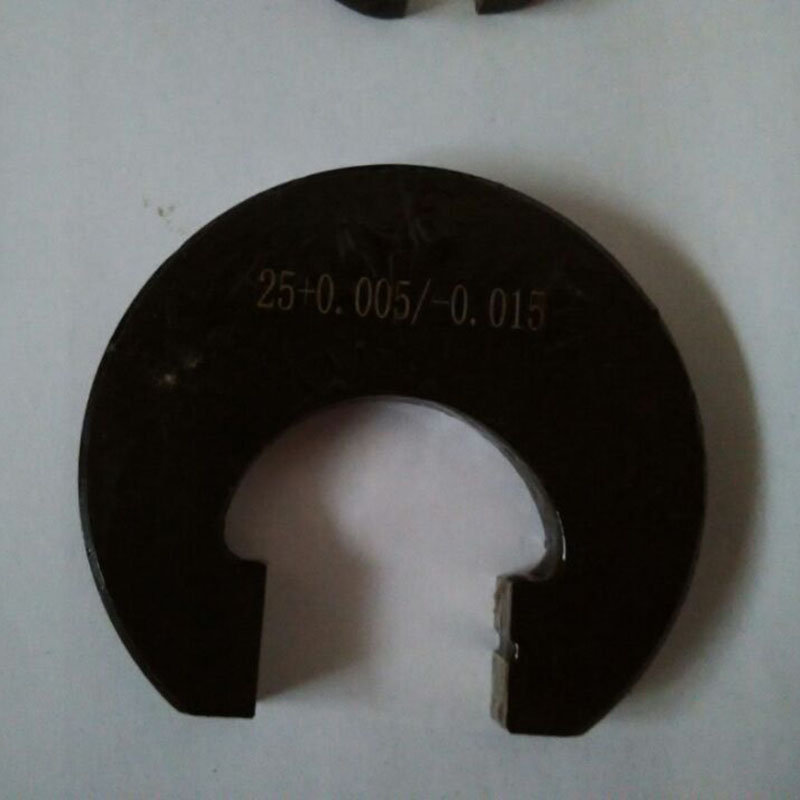
Wholesale Supply Solutions for Valves and Related Components
Understanding the Valve Wholesale Industry Trends and Insights In the dynamic landscape of industria

water hose valve
The Essential Guide to Water Hose Valves Functionality, Types, and Benefits Water hose valves play a
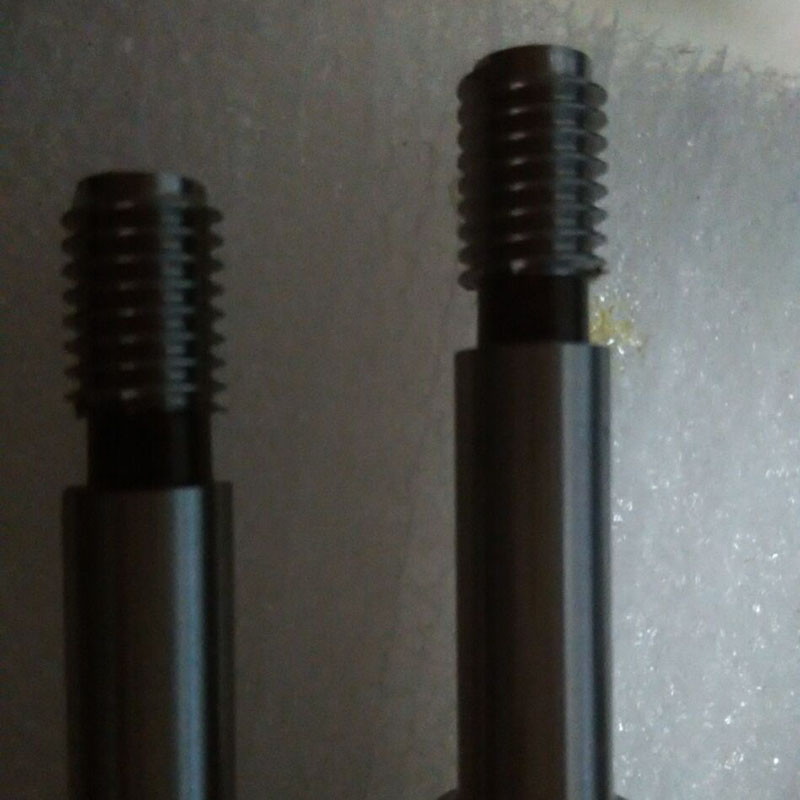
Vibration Dampening Pads for Industrial Machinery and Equipment in Heavy Applications
Vibration Damping Pads for Heavy Machinery An Essential Component for Performance and Longevity In t
 English